It doesn’t have to.
Bringing healthcare closer to every community
Primary Vision Centres, tele-ophthalmology and preventive health screening, in the communities that have waited longest for care.
Why we exist
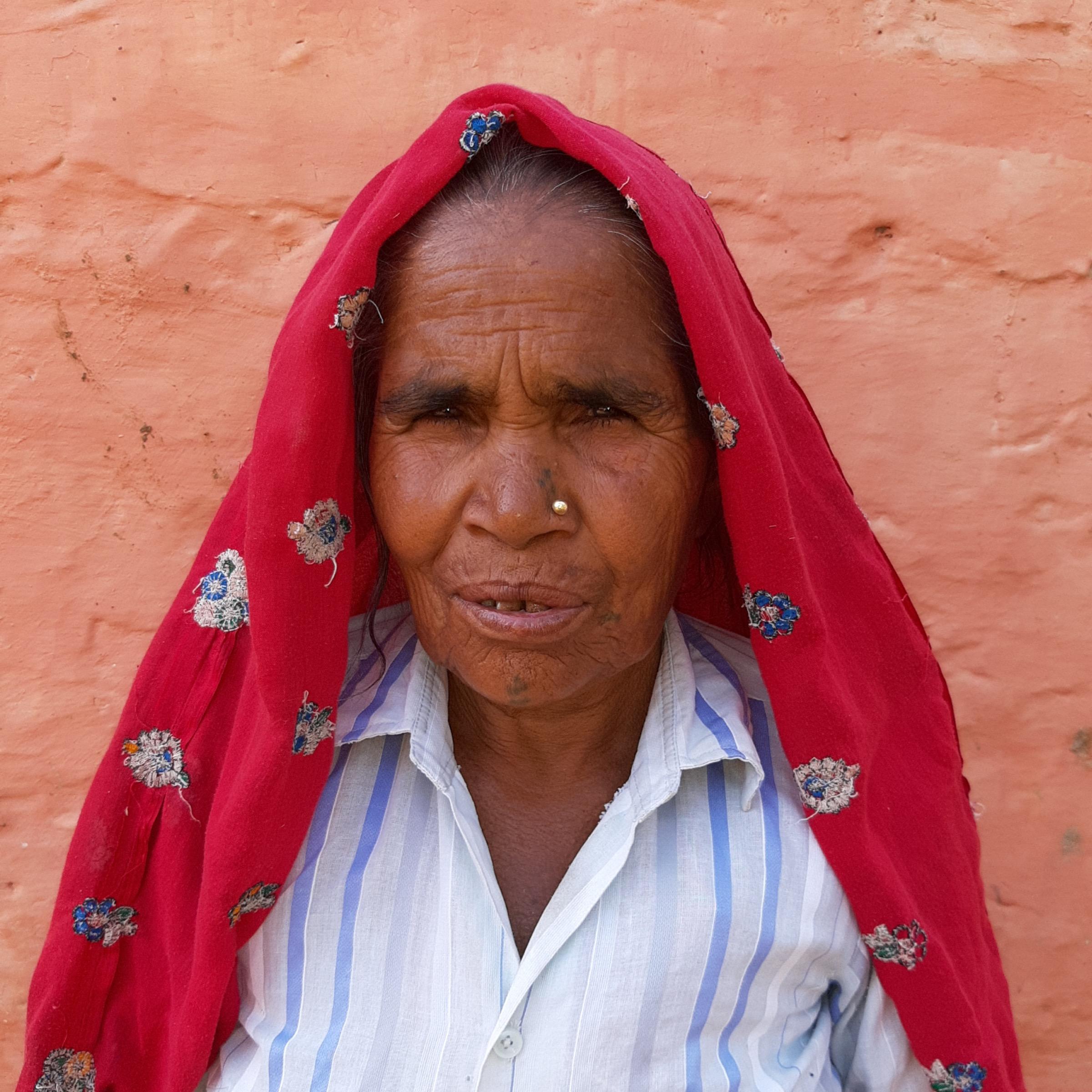
Most vision loss in India can be prevented. What stands in the way is distance, cost, and a diagnosis that comes too late.
In rural, remote and underserved communities, the nearest specialist can be hours away, transport is unreliable, and there is often no diagnostic service nearby. So people wait, follow-ups are missed, and problems that could have been treated become permanent.
HealthHusk brings the first step of care into the community itself: modern Primary Vision Centres, connected by tele-ophthalmology to specialists, with preventive health screening alongside.
Look through their eyes
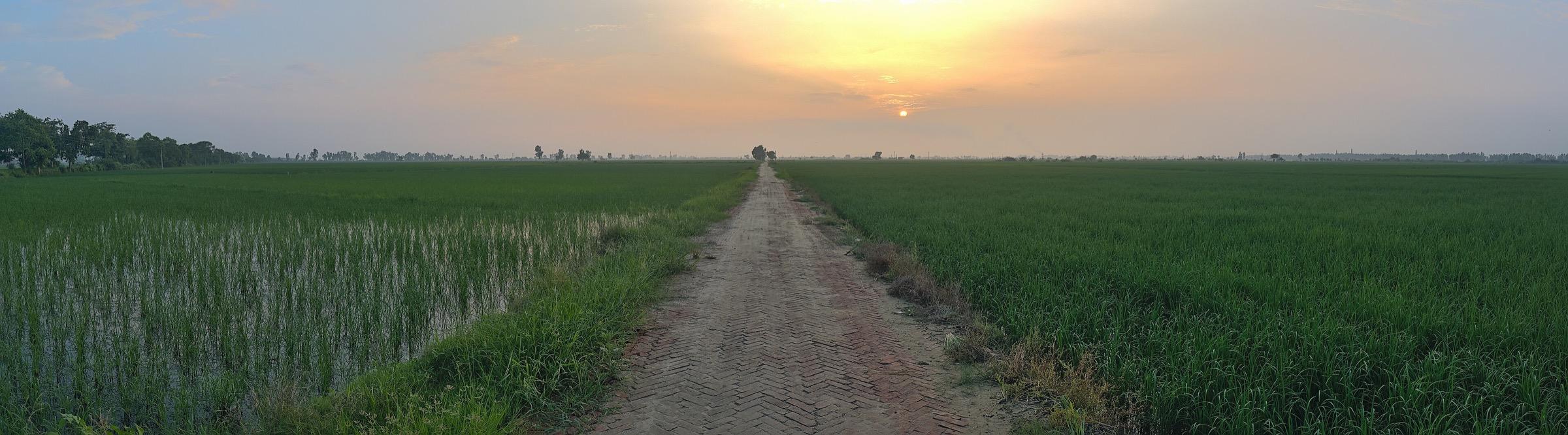
Four conditions cause most avoidable vision loss in India. Each is easier to treat when it is found early. Move the lens to see what a timely eye check gives back.
Cataract
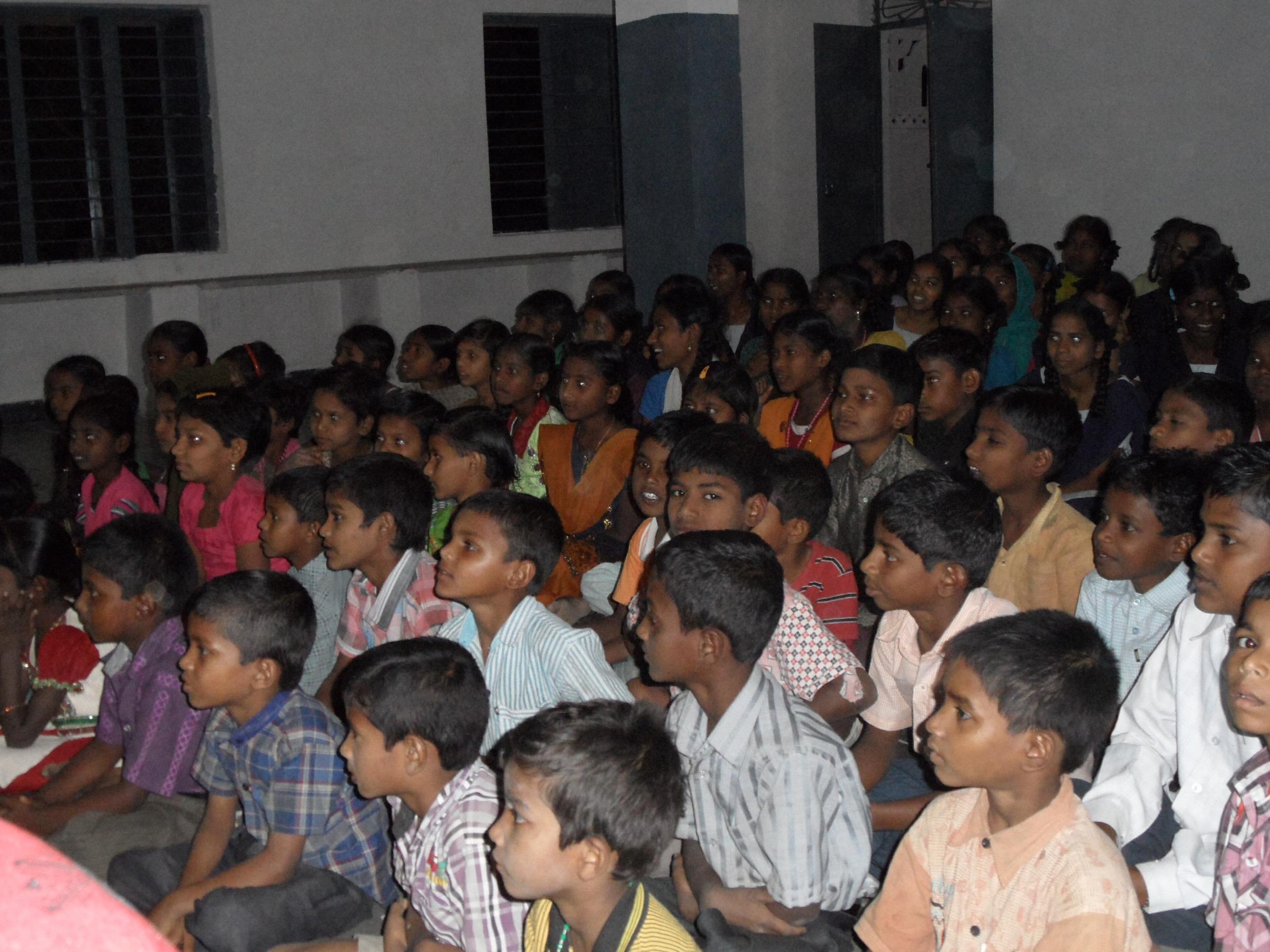
The lens of the eye turns cloudy. Colours fade, lights glare and faces blur. It is the leading cause of blindness in Indians over 50, and surgery restores sight.
More about cataractAt HealthHusk
Picked up at an advanced eye examination, then referred for surgical evaluation.
93%
of blindness among Indians over 50 comes from avoidable causes.
2 in 3
cases of blindness in that age group are caused by cataract, which surgery can treat.
Source: National Blindness & Visual Impairment Survey 2015–19, AIIMS / Ministry of Health and Family Welfare
One journey, from blurred to clear
Follow the path care takes, from a village with no eye doctor to sight restored. Each step is one we organise, so nobody falls through the gaps between them.
Step 1 of 6: The village
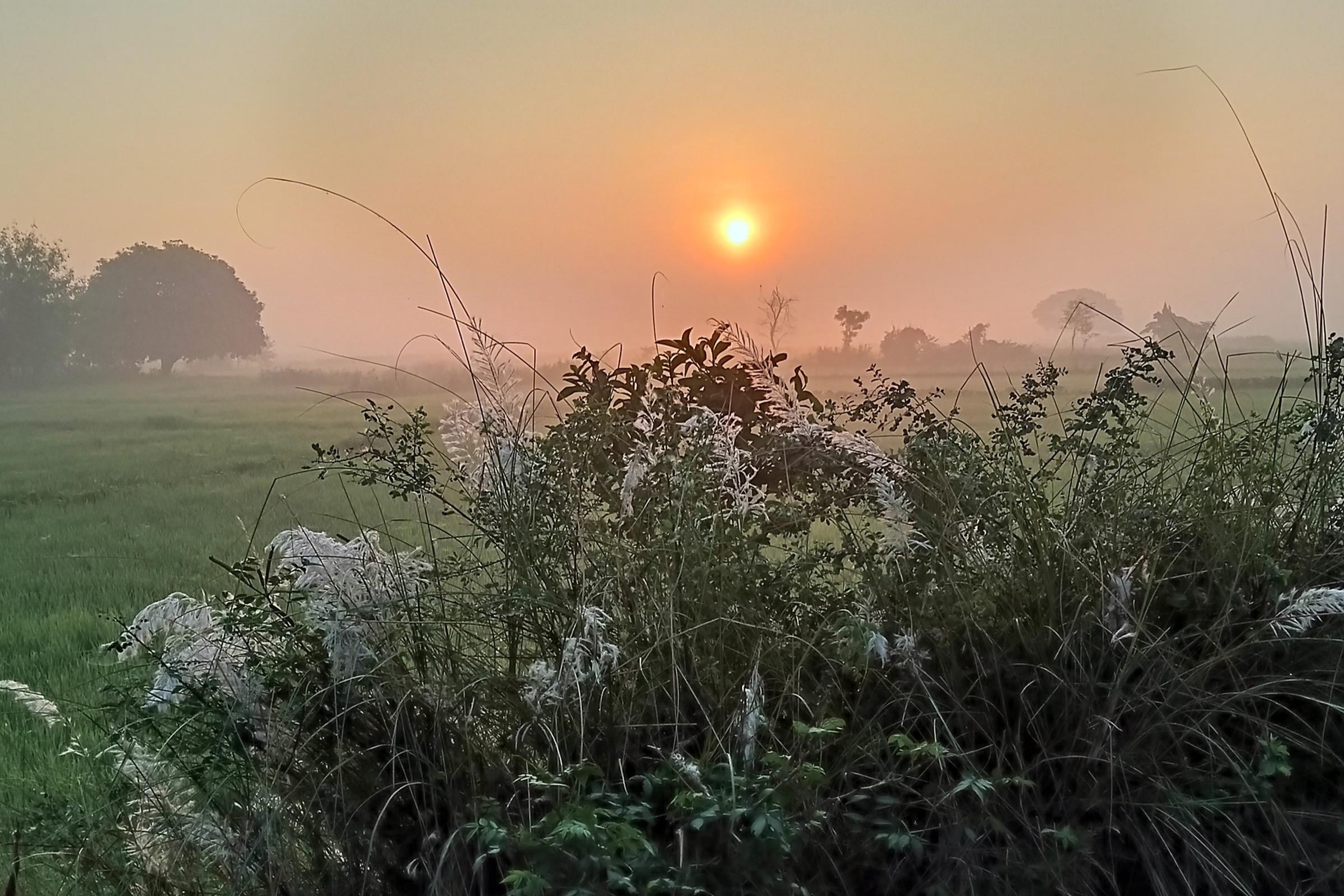
It starts far from a hospital
Sight fades slowly. Threading a needle, reading a ration card and recognising a face across the road all get harder. The nearest specialist is hours away, and a day's travel costs a day's wages.
Step 2 of 6: The screening camp
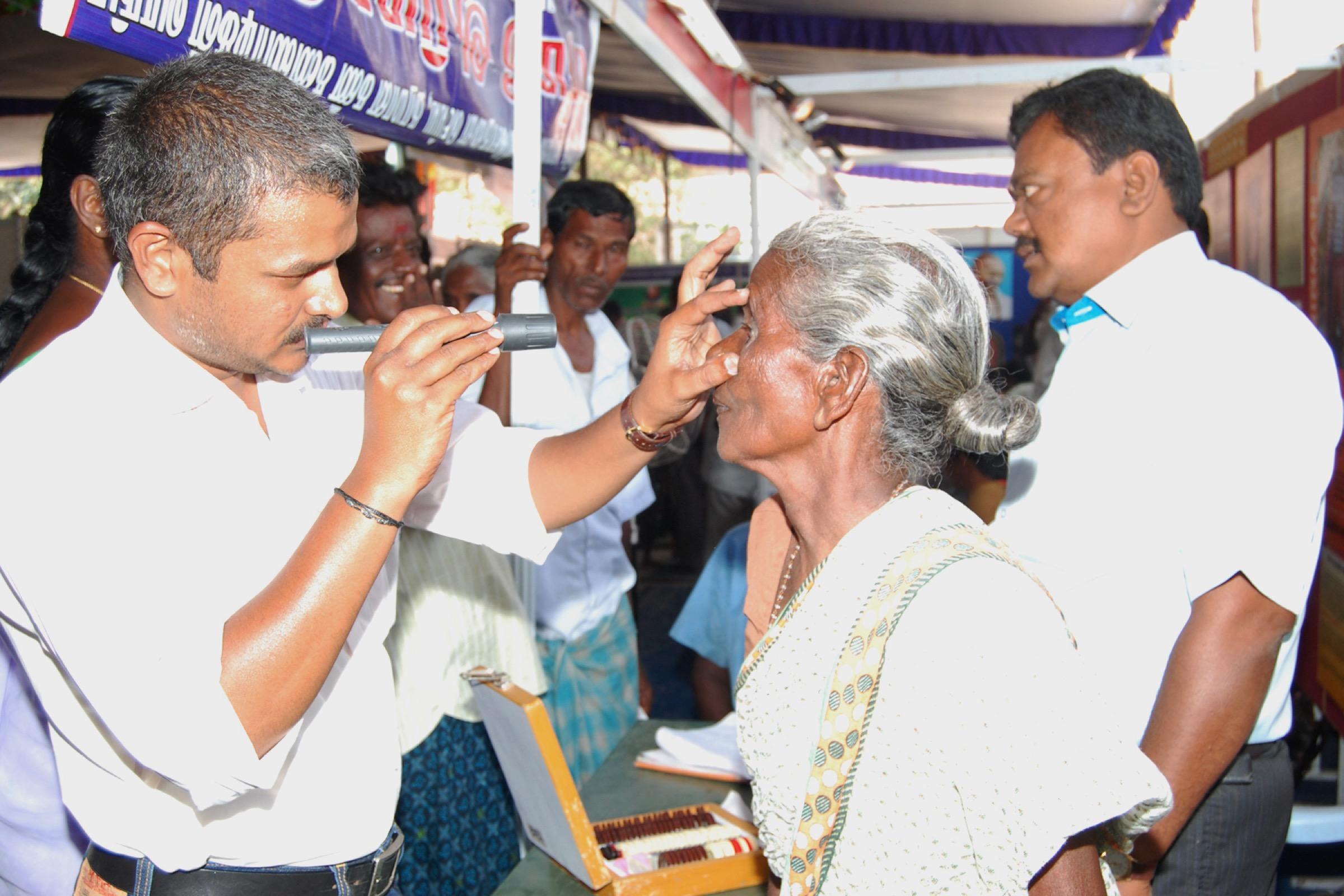
Care comes to the village first
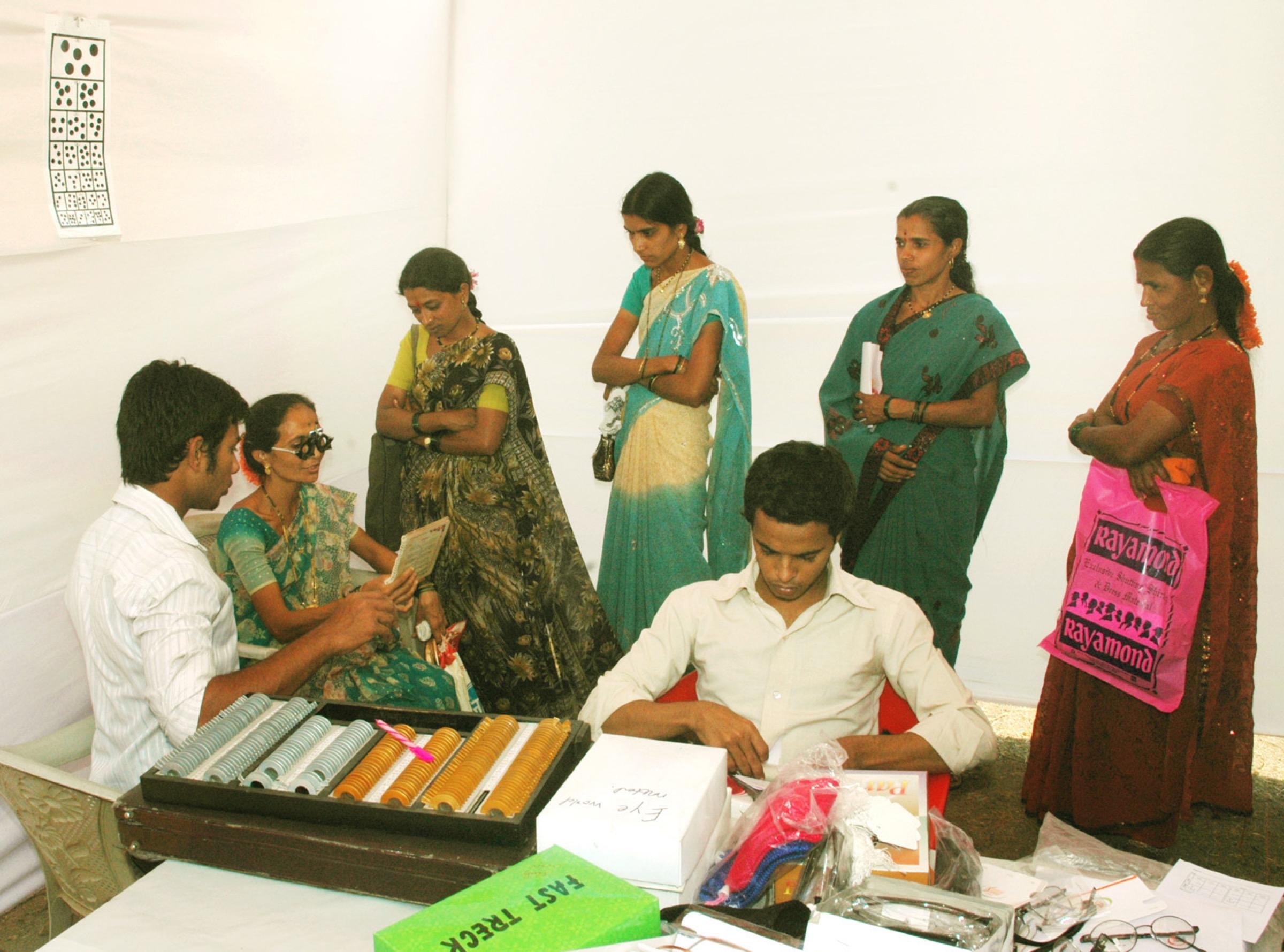
A screening camp sets up in the panchayat hall. Vision is tested in minutes, and anyone who needs more care is booked in at the nearest Primary Vision Centre.
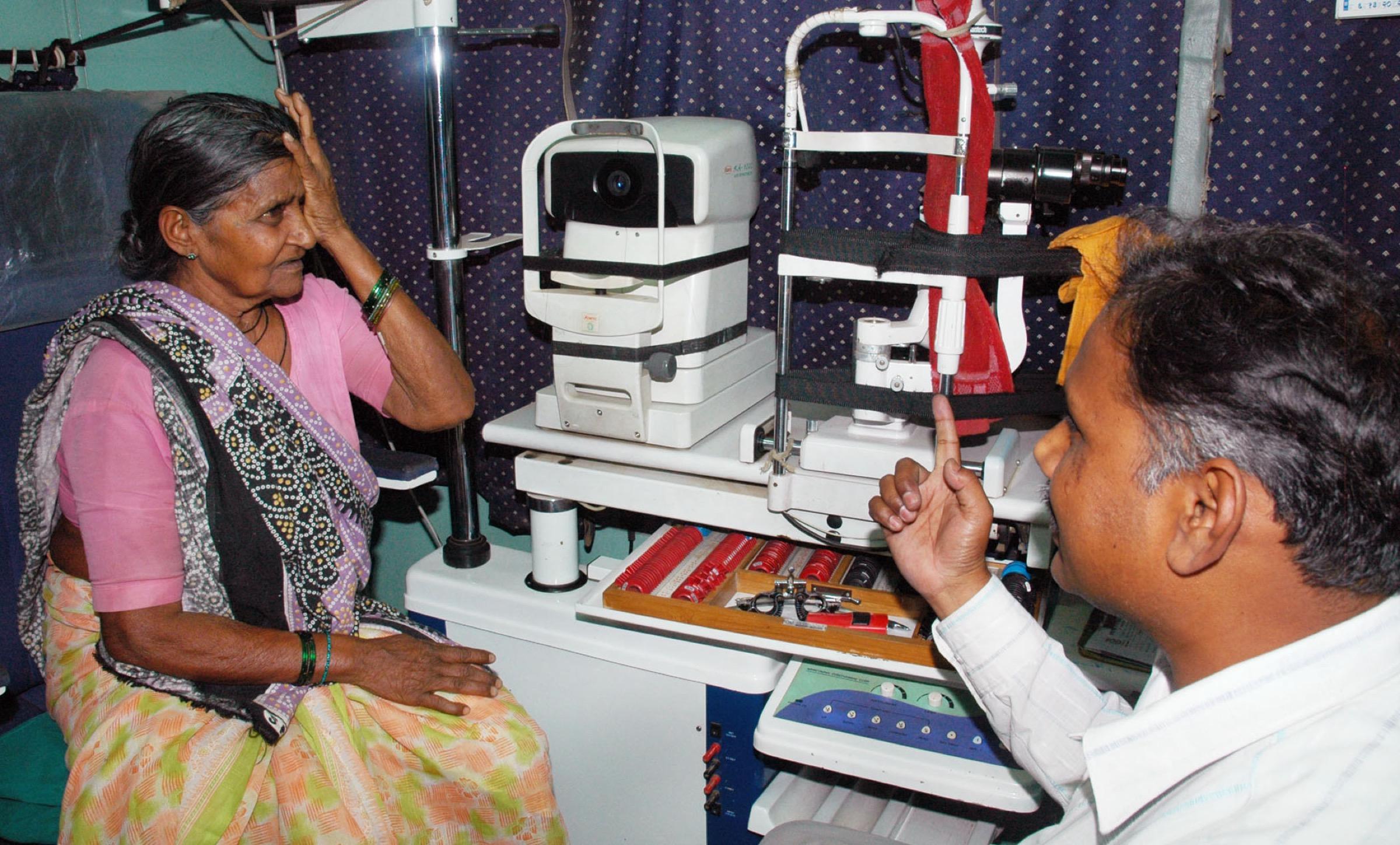
Step 3 of 6: The Primary Vision Centre
An advanced eye examination, close to home
Modern diagnostic equipment, refraction and screening for cataract, glaucoma and diabetic retinopathy. Spectacles are dispensed on the spot.
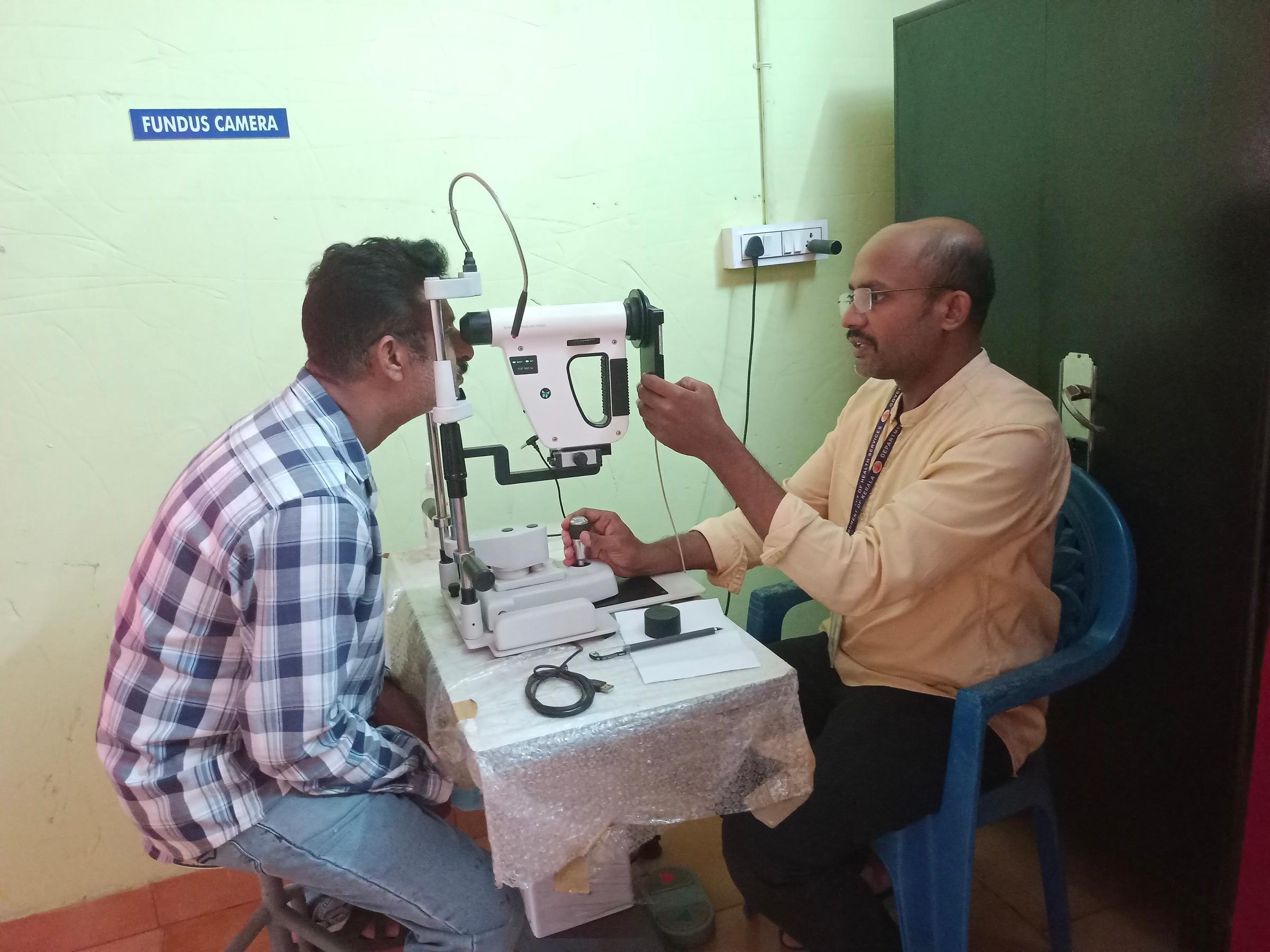
Step 4 of 6: Tele-ophthalmology
A specialist, without the journey
Retinal photographs and findings go to a qualified eye specialist, who reviews them remotely and decides what happens next.
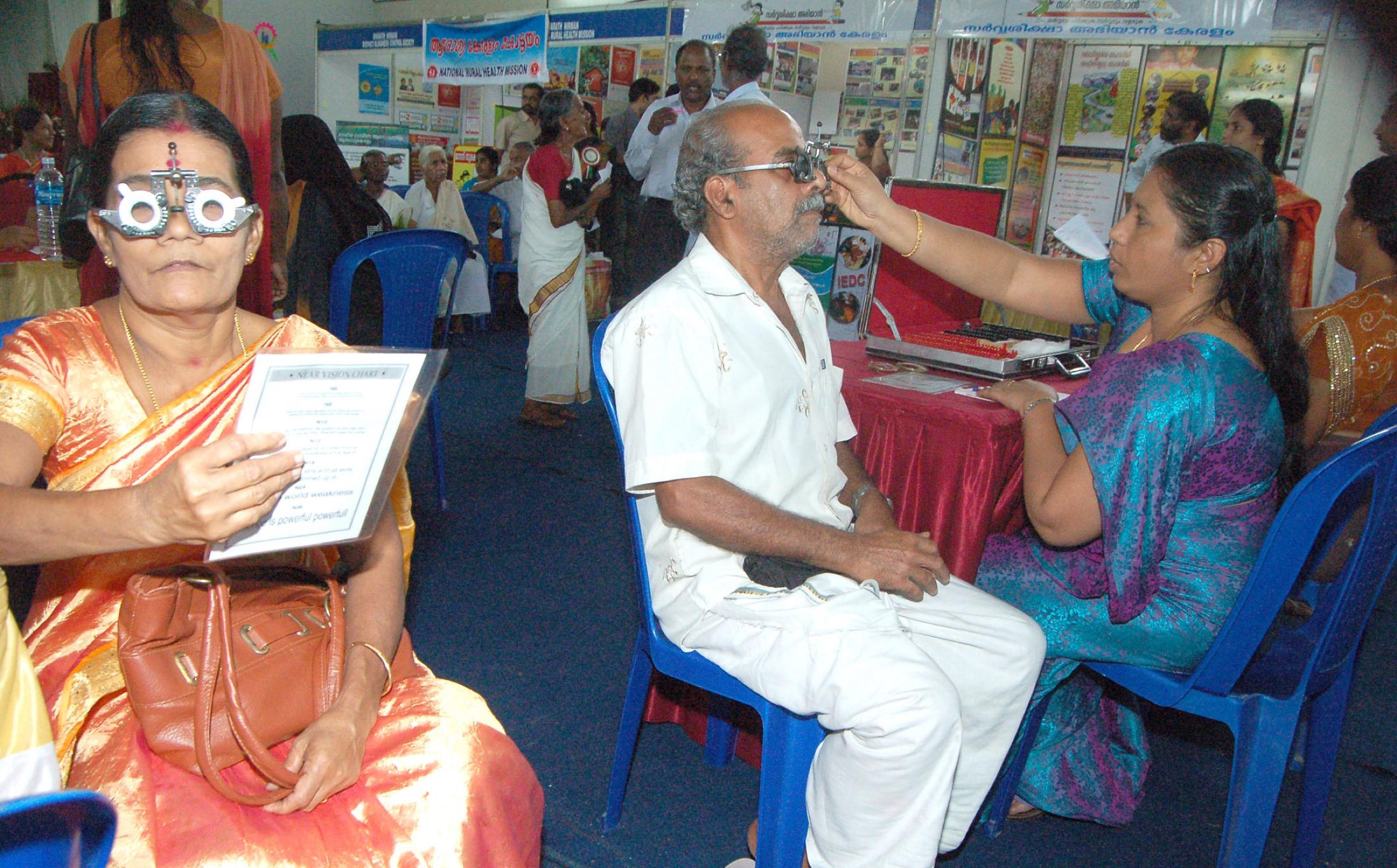
Step 5 of 6: The hospital
Referral when it is needed
When surgery or specialised treatment is required, we refer to partner secondary and tertiary hospitals and coordinate the appointment.
Step 6 of 6: Home
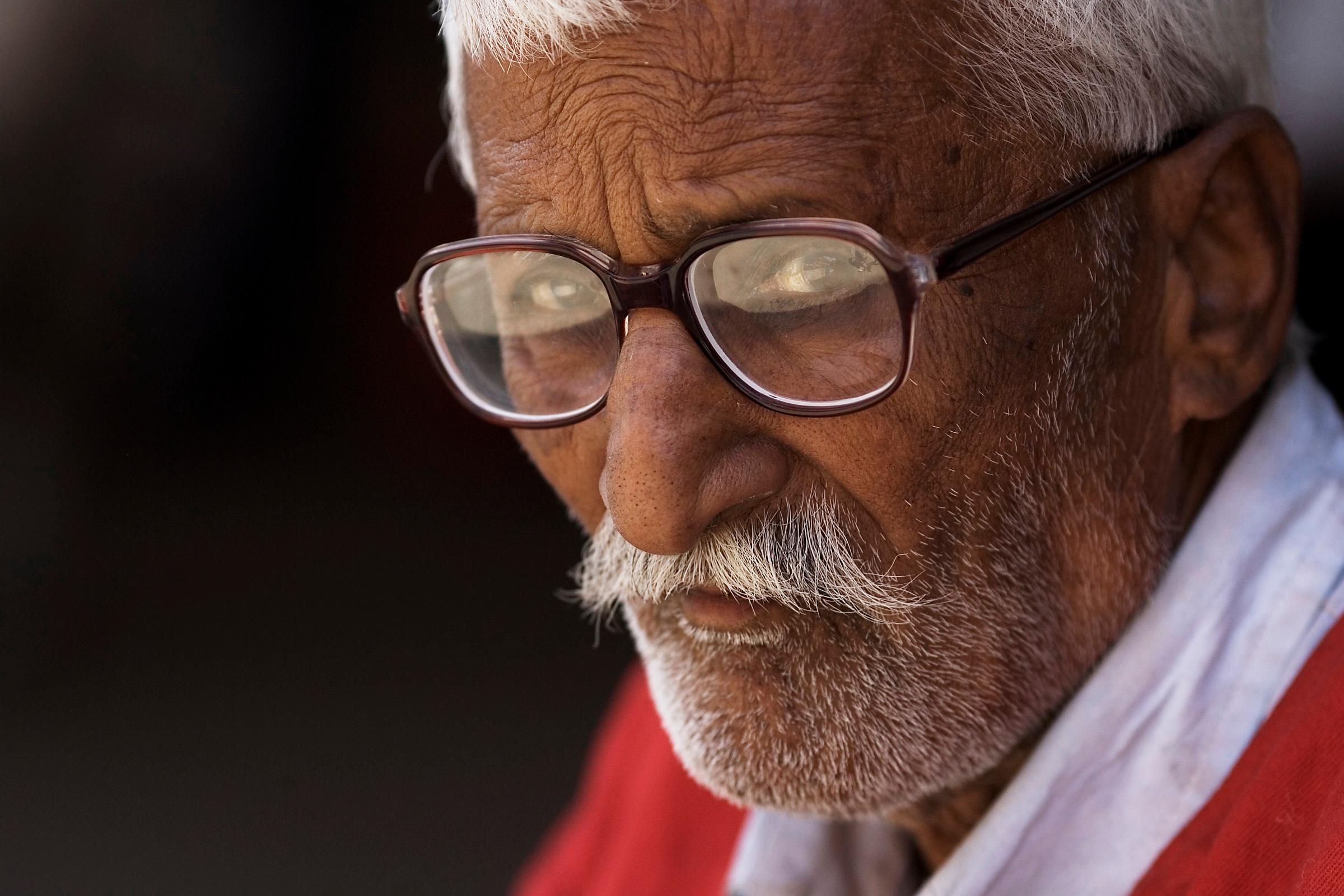
Back in focus
Follow-up continues until care is complete, so a missed appointment doesn't undo the work. The world comes back into focus.
Beyond the eyes
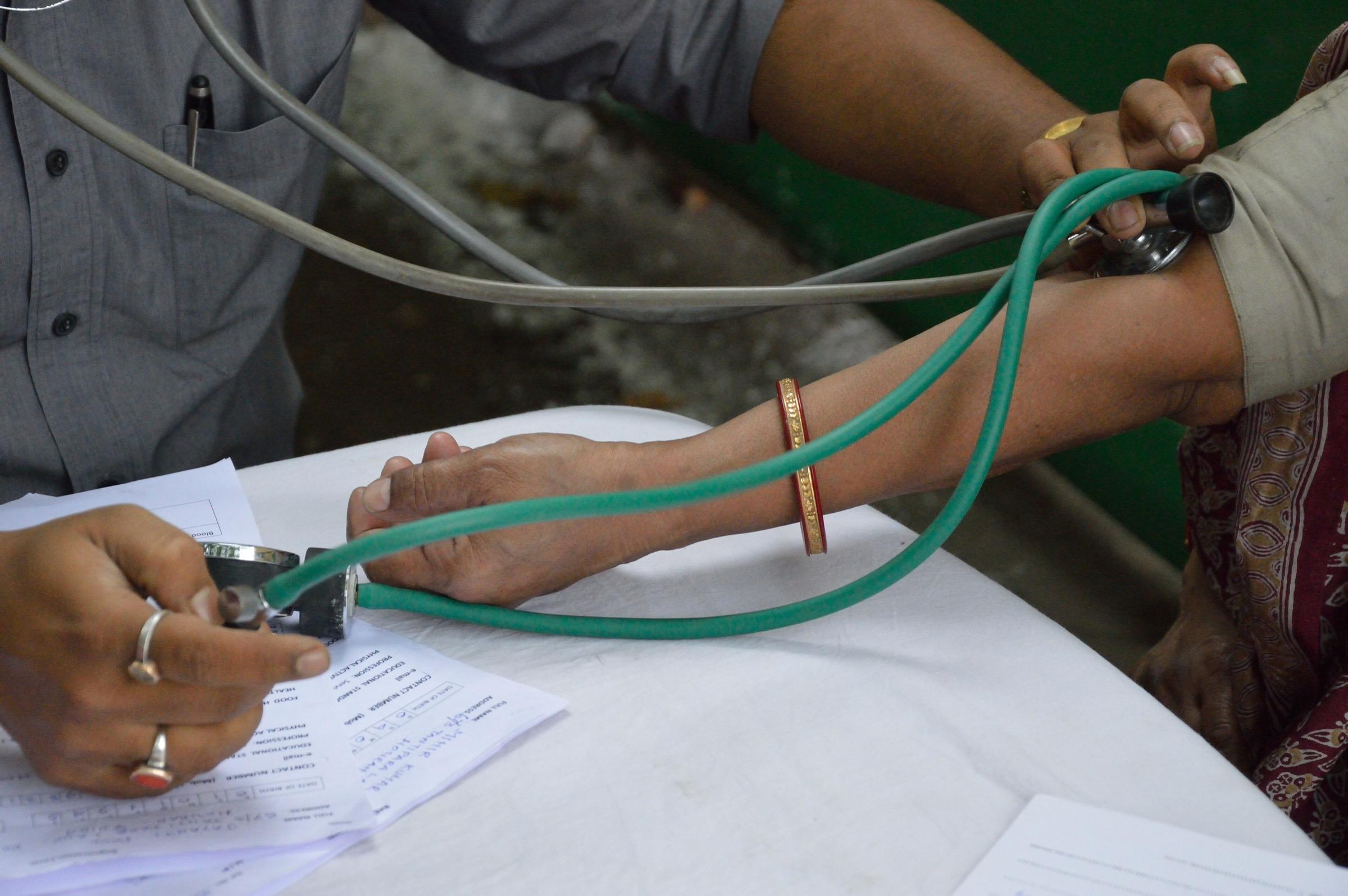
Community health is more than eyesight. Our preventive screening programmes are planned around local needs, so diabetes, high blood pressure and heart disease are found before they cause harm.
1 in 9
adults in India lives with diabetes, about 101 million people. Every one of them needs a regular eye check. Source: ICMR-INDIAB study, The Lancet Diabetes & Endocrinology, 2023
- Pathology
- Blood investigations, laboratory screening and blood glucose testing for diabetes risk.
- Diagnostics
- Blood pressure and cardiovascular risk screening, ECG, and X-ray through accredited partners.
- Annual health check-ups
- A yearly set of screenings for individuals and families, with a clear report and referral when needed.
- Pre-employment check-ups
- Vision and health assessments for new hires, matched to the employer's requirements.
We also offer homoeopathic consultations alongside our eye care and preventive health services.
Explore health check-upsOur vision
A future where every person, wherever they live and whatever their circumstances, has access to essential, affordable and timely healthcare.
- Accessibility
- Essential services, closer to people's homes.
- Early detection
- Finding problems before complications develop.
- Affordability
- Care that underserved families can manage.
- Technology
- Primary care connected to specialists through telehealth.
- Continuity of care
- Timely referrals, treatment and follow-up.
- Community awareness
- Encouraging preventive care and regular screening.
Work with us
Whether you need a check-up, look after a workforce, or want to bring care to a district.
For individuals and families
Get screened
Book an advanced eye examination or a health check-up at a centre or a camp near you.
Find out about eye screening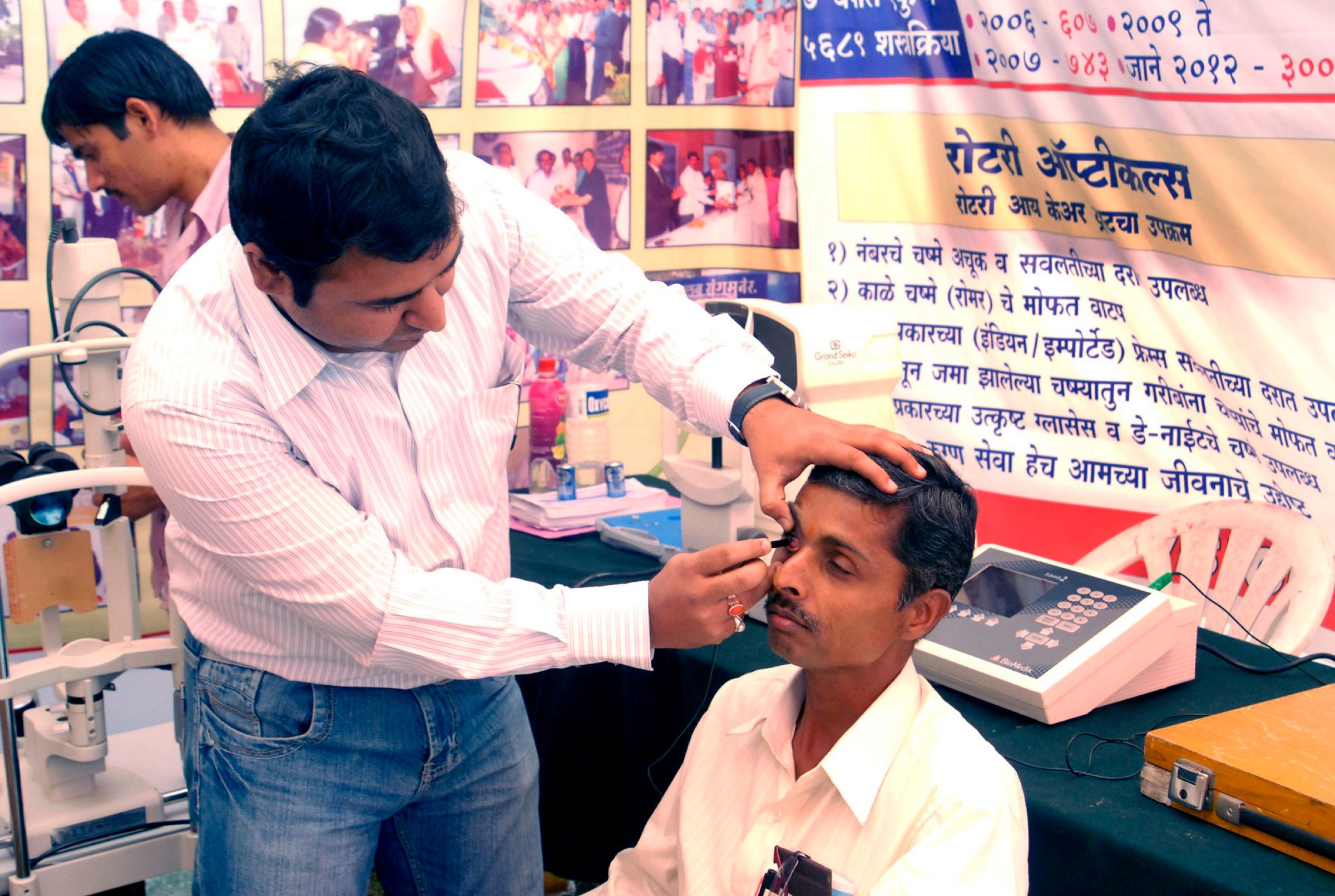
For employers
Corporate health
Annual and pre-employment check-ups and on-site screening camps for your teams, with clear reports.
Plan a programme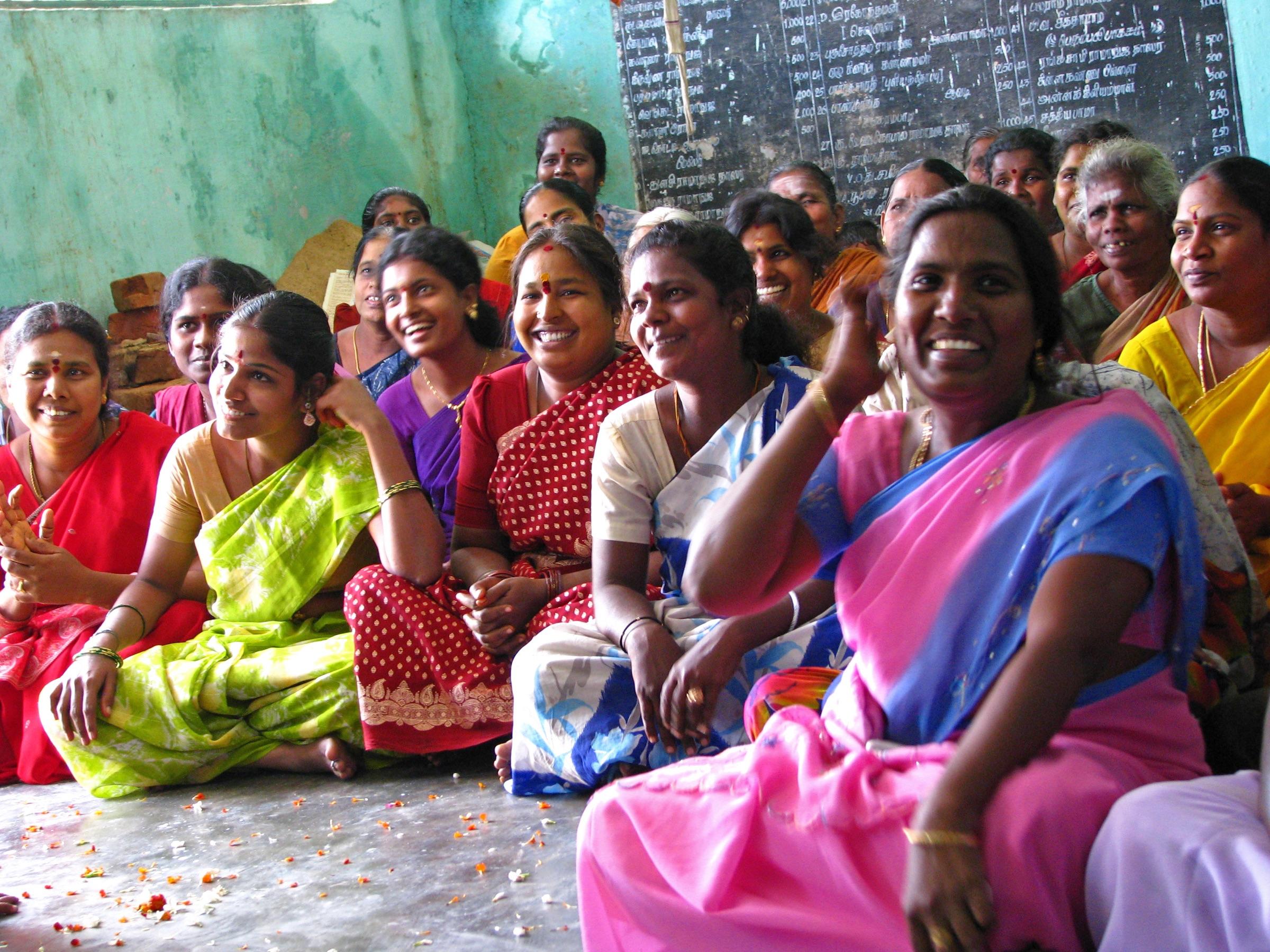
For CSR teams, hospitals and sponsors
Partner with us
Fund screening in a district, take referrals as a partner hospital, or sponsor a camp. We report on every person reached.
Ways to partner
Questions people ask us
Can’t find your answer? Ask for a call back and we’ll talk it through.
What happens at an eye screening?
A trained team checks how well you see at a distance and up close, looks for signs of cataract, glaucoma and diabetic eye disease, and tells you the result the same day. If you need spectacles, further tests or treatment, we explain the next step and arrange it.
Do I have to travel to a city hospital?
Usually not. Screening happens at camps in the community and at our Primary Vision Centres close to home. Only people who need surgery or specialised treatment are referred to a partner hospital, and we help coordinate that appointment and the follow-up.
What is tele-ophthalmology?
Photographs of the back of your eye and your test results are shared securely with a qualified eye specialist, who reviews them remotely. You get a specialist's opinion without making the journey yourself.
I have diabetes. Why do I need an eye check?
Diabetes can damage the blood vessels at the back of the eye without any early symptoms. A regular retinal check finds this early, when treatment can prevent vision loss. Most people with diabetes should have one every year.
Which health check-ups do you offer besides eye care?
Blood tests and laboratory screening, blood glucose and diabetes risk, blood pressure and heart risk screening, ECG and X-ray through accredited partners, annual health check-ups, pre-employment check-ups, and homoeopathic consultations.
Can my company book check-ups for employees?
Yes. We run annual and pre-employment health check-ups and on-site screening camps for workplaces, and share clear reports afterwards. Use the call-back form and choose “An employer”.
Reach the unreached. Detect early. Intervene on time.
Book a screening or start a conversation
Leave your number and we’ll call you back.
- Phone+91 88828 97122
- WhatsAppMessage us on WhatsApp